

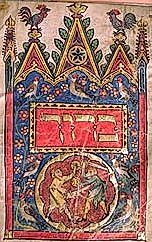
Tractate Berakoth
69 chapters English Public domain
About this book
This is a translation of Tractate Berakoth, a portion of the Mishna which deals with prayer: specifically when, where and how to pray. It includes the Mishna and the Tosephta commentary. This translation was produced by a Christian scholar in the early 20th century. While Williams is not hesitant to reference Christian texts, he is primarily interested in how the rules expressed in this Mishna influenced the early Christians, not in making a sectarian point. This adds some comparative interest. In addition, the extensive scholarly apparatus increases the value of this edition, the only complete public domain translation of this part of the Mishna.
Table of contents
69 chapters
26 M. III. 4-6; T. II, 12-21. The Shma‘, etc., in cases of Sexual Uncleanness 27 M. IV. 1; T. III. 1-3. The Three Times of Prayer 28 M. IV. 2. Parenthesis: A Rabbi's Prayers on Entering and Leaving His School. 29 M. IV. 3. The Eighteen Prayers and their Abstract 30 M. IV. 4; T. III. 7. The Prayer not to be Mechanical: Prayer when in Danger 31 M. IV. 5; T. III. 18. Prayer when riding on an Ass 32 M. IV. 6; T. III. 19. Prayer on a Ship or on a Raft 33 M. IV. 7; T. III. 10-13. The Additional Prayers—Whether to be said only in a Congregation 34 M. V. 1; T. III. 4-21. The Posture and Attention in Prayer 35 M. V. 2; T. III. 9. The Mention of, and the Petition for, Rain, also the Habdalah, in the Prayer 36 M. V. 3-4. Three Examples of Benedictions at Wrong Times. On Mistakes made by the Leader 37 M. V. 5. On Mistakes (continued). R. Chanina's Knowledge of the Effect of His Prayers 38 T. III. 22-25. Additional Matter 39 M. VI. 1-4; T. IV. 1-7. The Proper Forms for the Different Foods 40 M. VI. 5. On One Benediction exempting Another 41 M. VI. 6-8; T. IV. 8-13, V. 5-9, IV. 14-21. Various Regulations respecting Benedictions at Meals 42 T. V. 1-4. The Entrance on the Sabbath, the Meal, and the Benedictions 43 M. VII. 1-2; T. V, 10. Who may be invited to partake in the Benediction alter Meals 44 M VIII. 3; T. V. 14-20, 11-13. Women Slaves and Children excluded. The Quantity of Food over which Grace must be said 45 M. VII. 4-6. The Words of the Invitation depend on the Number Present 46 M. VII. 7; T. V. 19. Companies, how to be divided 47 M. VII. 8. On Companies joining for the Benediction at the End of a Meal. The Benediction over Wine—Whether Water should be added first 48 M. VIII. 1; T. VI. 1, III. 8. Points in Dispute between the Schools of Shammai and Hillel: The Order of the Benedictions 49 M. VIII. 2, T. VI. 2. The Order of Washing Hands, and Mixing the Cup 50 M. VIII. 3, T. VI. 4. Tidying the Room
Audiobook
Listen to this edition
Audiobooks are coming soon
Narrated editions will appear here when they are ready to listen.
Membership
Support the archive
$10 / month
Helps fund new texts & growth
Unlimited highlights & annotations
Unlimited bookmarks
Ad free reading experience
Early access to new features
Early access to quality TTS Audiobooks
Priority support & feature requests
4,000 Points monthly for Search usage
Access to point system rewards and value
Cancel anytime. Helps us pay the bills.
Discussion
Community conversation
Discussions are coming soon
Join conversations around this text and its interpretations.
Tractate Berakoth
69 chapters English Public domain
About this book
This is a translation of Tractate Berakoth, a portion of the Mishna which deals with prayer: specifically when, where and how to pray. It includes the Mishna and the Tosephta commentary. This translation was produced by a Christian scholar in the early 20th century. While Williams is not hesitant to reference Christian texts, he is primarily interested in how the rules expressed in this Mishna influenced the early Christians, not in making a sectarian point. This adds some comparative interest. In addition, the extensive scholarly apparatus increases the value of this edition, the only complete public domain translation of this part of the Mishna.
Table of contents
69 chapters
26 M. III. 4-6; T. II, 12-21. The Shma‘, etc., in cases of Sexual Uncleanness 27 M. IV. 1; T. III. 1-3. The Three Times of Prayer 28 M. IV. 2. Parenthesis: A Rabbi's Prayers on Entering and Leaving His School. 29 M. IV. 3. The Eighteen Prayers and their Abstract 30 M. IV. 4; T. III. 7. The Prayer not to be Mechanical: Prayer when in Danger 31 M. IV. 5; T. III. 18. Prayer when riding on an Ass 32 M. IV. 6; T. III. 19. Prayer on a Ship or on a Raft 33 M. IV. 7; T. III. 10-13. The Additional Prayers—Whether to be said only in a Congregation 34 M. V. 1; T. III. 4-21. The Posture and Attention in Prayer 35 M. V. 2; T. III. 9. The Mention of, and the Petition for, Rain, also the Habdalah, in the Prayer 36 M. V. 3-4. Three Examples of Benedictions at Wrong Times. On Mistakes made by the Leader 37 M. V. 5. On Mistakes (continued). R. Chanina's Knowledge of the Effect of His Prayers 38 T. III. 22-25. Additional Matter 39 M. VI. 1-4; T. IV. 1-7. The Proper Forms for the Different Foods 40 M. VI. 5. On One Benediction exempting Another 41 M. VI. 6-8; T. IV. 8-13, V. 5-9, IV. 14-21. Various Regulations respecting Benedictions at Meals 42 T. V. 1-4. The Entrance on the Sabbath, the Meal, and the Benedictions 43 M. VII. 1-2; T. V, 10. Who may be invited to partake in the Benediction alter Meals 44 M VIII. 3; T. V. 14-20, 11-13. Women Slaves and Children excluded. The Quantity of Food over which Grace must be said 45 M. VII. 4-6. The Words of the Invitation depend on the Number Present 46 M. VII. 7; T. V. 19. Companies, how to be divided 47 M. VII. 8. On Companies joining for the Benediction at the End of a Meal. The Benediction over Wine—Whether Water should be added first 48 M. VIII. 1; T. VI. 1, III. 8. Points in Dispute between the Schools of Shammai and Hillel: The Order of the Benedictions 49 M. VIII. 2, T. VI. 2. The Order of Washing Hands, and Mixing the Cup 50 M. VIII. 3, T. VI. 4. Tidying the Room
Audiobook
Listen to this edition
Audiobooks are coming soon
Narrated editions will appear here when they are ready to listen.
Membership
Support the archive
$10 / month
Helps fund new texts & growth
Unlimited highlights & annotations
Unlimited bookmarks
Ad free reading experience
Early access to new features
Early access to quality TTS Audiobooks
Priority support & feature requests
4,000 Points monthly for Search usage
Access to point system rewards and value
Cancel anytime. Helps us pay the bills.
Discussion
Community conversation
Discussions are coming soon
Join conversations around this text and its interpretations.
Tractate Berakoth
69 chapters English Public domain
About this book
This is a translation of Tractate Berakoth, a portion of the Mishna which deals with prayer: specifically when, where and how to pray. It includes the Mishna and the Tosephta commentary. This translation was produced by a Christian scholar in the early 20th century. While Williams is not hesitant to reference Christian texts, he is primarily interested in how the rules expressed in this Mishna influenced the early Christians, not in making a sectarian point. This adds some comparative interest. In addition, the extensive scholarly apparatus increases the value of this edition, the only complete public domain translation of this part of the Mishna.
Table of contents
69 chapters
26 M. III. 4-6; T. II, 12-21. The Shma‘, etc., in cases of Sexual Uncleanness 27 M. IV. 1; T. III. 1-3. The Three Times of Prayer 28 M. IV. 2. Parenthesis: A Rabbi's Prayers on Entering and Leaving His School. 29 M. IV. 3. The Eighteen Prayers and their Abstract 30 M. IV. 4; T. III. 7. The Prayer not to be Mechanical: Prayer when in Danger 31 M. IV. 5; T. III. 18. Prayer when riding on an Ass 32 M. IV. 6; T. III. 19. Prayer on a Ship or on a Raft 33 M. IV. 7; T. III. 10-13. The Additional Prayers—Whether to be said only in a Congregation 34 M. V. 1; T. III. 4-21. The Posture and Attention in Prayer 35 M. V. 2; T. III. 9. The Mention of, and the Petition for, Rain, also the Habdalah, in the Prayer 36 M. V. 3-4. Three Examples of Benedictions at Wrong Times. On Mistakes made by the Leader 37 M. V. 5. On Mistakes (continued). R. Chanina's Knowledge of the Effect of His Prayers 38 T. III. 22-25. Additional Matter 39 M. VI. 1-4; T. IV. 1-7. The Proper Forms for the Different Foods 40 M. VI. 5. On One Benediction exempting Another 41 M. VI. 6-8; T. IV. 8-13, V. 5-9, IV. 14-21. Various Regulations respecting Benedictions at Meals 42 T. V. 1-4. The Entrance on the Sabbath, the Meal, and the Benedictions 43 M. VII. 1-2; T. V, 10. Who may be invited to partake in the Benediction alter Meals 44 M VIII. 3; T. V. 14-20, 11-13. Women Slaves and Children excluded. The Quantity of Food over which Grace must be said 45 M. VII. 4-6. The Words of the Invitation depend on the Number Present 46 M. VII. 7; T. V. 19. Companies, how to be divided 47 M. VII. 8. On Companies joining for the Benediction at the End of a Meal. The Benediction over Wine—Whether Water should be added first 48 M. VIII. 1; T. VI. 1, III. 8. Points in Dispute between the Schools of Shammai and Hillel: The Order of the Benedictions 49 M. VIII. 2, T. VI. 2. The Order of Washing Hands, and Mixing the Cup 50 M. VIII. 3, T. VI. 4. Tidying the Room
Audiobook
Listen to this edition
Audiobooks are coming soon
Narrated editions will appear here when they are ready to listen.
Membership
Support the archive
$10 / month
Helps fund new texts & growth
Unlimited highlights & annotations
Unlimited bookmarks
Ad free reading experience
Early access to new features
Early access to quality TTS Audiobooks
Priority support & feature requests
4,000 Points monthly for Search usage
Access to point system rewards and value
Cancel anytime. Helps us pay the bills.
Discussion
Community conversation
Discussions are coming soon
Join conversations around this text and its interpretations.