

Sappho and Phaon
48 chapters English Public domain
About this book
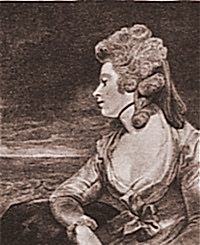
Mary Robinson, (above) [b. 1758 d. 1800] composed this sonnet sequence about the legendary death of the famous poetess Sappho. Robinson led a dramatic life. Her father, a sea captain, abandoned her mother and five children when she was still a child. Her mother started a girl's school to support herself, and Robinson was teaching in it at age 14. She later trained for the stage and became a professional actress, growing into a legendary beauty. She began a sensational affair when she was 22 with the Prince of Wales, the future George IV, after he saw her play Perdita in a production of The Winter's Tale. After the Prince spurned her, she became a pioneering female author. She wrote novels, poetry, plays and feminist essays. She died in her early forties.
Sappho here differs radically from the version that would emerge in the 19th century. In fact, this had really been the normative view of Sappho since the Renaissance. In this sonnet sequence, which does not appear to contain any actual lines from Sappho, Sappho is the tortured lover of a boatman, Phaon. She follows him to Sicily, and finally leaps off the Leucadian cliffs to her doom. It is not unlikely that this tale of love gone wrong appealed to Robinson on a very personal level. Robinson, during her lifetime, was known as 'the English Sappho,' and has recently been rediscovered as a feminist trailblazer.
Table of contents
48 chapters
01 Start Reading 02 Preface 03 Account of Sappho 04 The Subject of Each Sonnet 05 Introductory 06 II. The temple of Chastity. 07 III. The Bower of Pleasure. 08 IV. Sappho discovers her Passion. 09 V. Contemns its Power. 10 VI. Describes the characteristics of Love. 11 VII. Invokes Reason. 12 VIII. Her Passion increases. 13 IX. Laments the volatility of Phaon. 14 X. Describes Phaon. 15 XI. Rejects the Influence of Reason. 16 XII. Previous to her Interview with Phaon. 17 XIII. She endeavours to fascinate him. 18 XIV. To the Aeolian Harp. 19 XV. Phaon awakes. 20 XVI. Sappho rejects Hope. 21 XVII. The Tyranny of Love. 22 XVIII. To Phaon. 23 XIX. Suspects his constancy. 24 XX. To Phaon. 25 XXI. Laments her early Misfortunes.
Audiobook
Listen to this edition
Audiobooks are coming soon
Narrated editions will appear here when they are ready to listen.
Membership
Support the archive
$10 / month
Helps fund new texts & growth
Unlimited highlights & annotations
Unlimited bookmarks
Ad free reading experience
Early access to new features
Early access to quality TTS Audiobooks
Priority support & feature requests
4,000 Points monthly for Search usage
Access to point system rewards and value
Cancel anytime. Helps us pay the bills.
Discussion
Community conversation
Discussions are coming soon
Join conversations around this text and its interpretations.
Sappho and Phaon
48 chapters English Public domain
About this book
Mary Robinson, (above) [b. 1758 d. 1800] composed this sonnet sequence about the legendary death of the famous poetess Sappho. Robinson led a dramatic life. Her father, a sea captain, abandoned her mother and five children when she was still a child. Her mother started a girl's school to support herself, and Robinson was teaching in it at age 14. She later trained for the stage and became a professional actress, growing into a legendary beauty. She began a sensational affair when she was 22 with the Prince of Wales, the future George IV, after he saw her play Perdita in a production of The Winter's Tale. After the Prince spurned her, she became a pioneering female author. She wrote novels, poetry, plays and feminist essays. She died in her early forties.
Sappho here differs radically from the version that would emerge in the 19th century. In fact, this had really been the normative view of Sappho since the Renaissance. In this sonnet sequence, which does not appear to contain any actual lines from Sappho, Sappho is the tortured lover of a boatman, Phaon. She follows him to Sicily, and finally leaps off the Leucadian cliffs to her doom. It is not unlikely that this tale of love gone wrong appealed to Robinson on a very personal level. Robinson, during her lifetime, was known as 'the English Sappho,' and has recently been rediscovered as a feminist trailblazer.
Table of contents
48 chapters
01 Start Reading 02 Preface 03 Account of Sappho 04 The Subject of Each Sonnet 05 Introductory 06 II. The temple of Chastity. 07 III. The Bower of Pleasure. 08 IV. Sappho discovers her Passion. 09 V. Contemns its Power. 10 VI. Describes the characteristics of Love. 11 VII. Invokes Reason. 12 VIII. Her Passion increases. 13 IX. Laments the volatility of Phaon. 14 X. Describes Phaon. 15 XI. Rejects the Influence of Reason. 16 XII. Previous to her Interview with Phaon. 17 XIII. She endeavours to fascinate him. 18 XIV. To the Aeolian Harp. 19 XV. Phaon awakes. 20 XVI. Sappho rejects Hope. 21 XVII. The Tyranny of Love. 22 XVIII. To Phaon. 23 XIX. Suspects his constancy. 24 XX. To Phaon. 25 XXI. Laments her early Misfortunes.
Audiobook
Listen to this edition
Audiobooks are coming soon
Narrated editions will appear here when they are ready to listen.
Membership
Support the archive
$10 / month
Helps fund new texts & growth
Unlimited highlights & annotations
Unlimited bookmarks
Ad free reading experience
Early access to new features
Early access to quality TTS Audiobooks
Priority support & feature requests
4,000 Points monthly for Search usage
Access to point system rewards and value
Cancel anytime. Helps us pay the bills.
Discussion
Community conversation
Discussions are coming soon
Join conversations around this text and its interpretations.
Sappho and Phaon
48 chapters English Public domain
About this book
Mary Robinson, (above) [b. 1758 d. 1800] composed this sonnet sequence about the legendary death of the famous poetess Sappho. Robinson led a dramatic life. Her father, a sea captain, abandoned her mother and five children when she was still a child. Her mother started a girl's school to support herself, and Robinson was teaching in it at age 14. She later trained for the stage and became a professional actress, growing into a legendary beauty. She began a sensational affair when she was 22 with the Prince of Wales, the future George IV, after he saw her play Perdita in a production of The Winter's Tale. After the Prince spurned her, she became a pioneering female author. She wrote novels, poetry, plays and feminist essays. She died in her early forties.
Sappho here differs radically from the version that would emerge in the 19th century. In fact, this had really been the normative view of Sappho since the Renaissance. In this sonnet sequence, which does not appear to contain any actual lines from Sappho, Sappho is the tortured lover of a boatman, Phaon. She follows him to Sicily, and finally leaps off the Leucadian cliffs to her doom. It is not unlikely that this tale of love gone wrong appealed to Robinson on a very personal level. Robinson, during her lifetime, was known as 'the English Sappho,' and has recently been rediscovered as a feminist trailblazer.
Table of contents
48 chapters
01 Start Reading 02 Preface 03 Account of Sappho 04 The Subject of Each Sonnet 05 Introductory 06 II. The temple of Chastity. 07 III. The Bower of Pleasure. 08 IV. Sappho discovers her Passion. 09 V. Contemns its Power. 10 VI. Describes the characteristics of Love. 11 VII. Invokes Reason. 12 VIII. Her Passion increases. 13 IX. Laments the volatility of Phaon. 14 X. Describes Phaon. 15 XI. Rejects the Influence of Reason. 16 XII. Previous to her Interview with Phaon. 17 XIII. She endeavours to fascinate him. 18 XIV. To the Aeolian Harp. 19 XV. Phaon awakes. 20 XVI. Sappho rejects Hope. 21 XVII. The Tyranny of Love. 22 XVIII. To Phaon. 23 XIX. Suspects his constancy. 24 XX. To Phaon. 25 XXI. Laments her early Misfortunes.
Audiobook
Listen to this edition
Audiobooks are coming soon
Narrated editions will appear here when they are ready to listen.
Membership
Support the archive
$10 / month
Helps fund new texts & growth
Unlimited highlights & annotations
Unlimited bookmarks
Ad free reading experience
Early access to new features
Early access to quality TTS Audiobooks
Priority support & feature requests
4,000 Points monthly for Search usage
Access to point system rewards and value
Cancel anytime. Helps us pay the bills.
Discussion
Community conversation
Discussions are coming soon
Join conversations around this text and its interpretations.