

Selections from the Poetry of the Afghans
24 chapters English Public domain
About this book
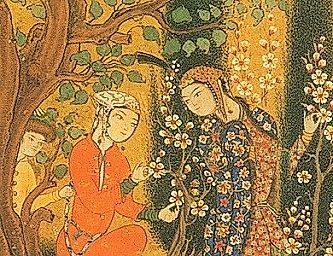
This is an anthology of English translations of Pushto poets from the 16th century on. Most, if not all, of these poets are Sufi. They utilize the poetic vocabulary of Sufiism: the tavern, the wine, the flowers, etc., all actually technical terms describing the soul's progression on the mystical path towards God. Raverty's introductory essay, "Remarks on the Mystic Doctrine and Poetry of the Sufis" provides a skeleton key to the symbology.
Most of the writers included here were, in addition to being Sufi poets, tribal leaders, men of action, in many cases related in some fashion. For instance, the prolific Khushhal Khan fathered Ashraf Khan and Abd-ul-Kadir Khan, all very formidable poets and warriors. Their poetry reflects a tribal, patriarchal society (women don't normally appear in these texts except as the 'beloved,' or a target of scorn). However, this is not the bleak, bigoted, art and music starved world of the Taliban. It is clear that not all of that Sufi joie de vivre is metaphorical, and many of the verses display a wicked sense of humor. The descriptions of nature are realistic, and their love of country is fierce.
Table of contents
24 chapters
01 Start Reading 02 Page Index 03 To the Reader 04 Contents 05 Remarks on the Mystic Doctrine and Poetry of the Ṣūfīs 06 Introduction 07 The Poems of Æabd-ur-Raḥmān 08 Introduction 09 The Poems of Mīrzā Khān, Anṣārī 10 Introduction 11 The Poems of Æabd-ul-Ḥamīd 12 Introduction 13 The Poems of Khushḥāl Khān, Khattak 14 Introduction 15 The Poems of Ashraf Khān, Khattak 16 Introduction 17 The Poems of Æabd-ul-Ḳādir Khān, Khattak 18 Introduction 19 The Poems of Aḥmad Shāh, Abdālī 20 Introduction 21 The Poems of Kāzim Khān, Khattak 22 Introduction 23 The Poems of Khwājah Muḥammad, Bangash 24 Special Pages: Errata
Audiobook
Listen to this edition
Audiobooks are coming soon
Narrated editions will appear here when they are ready to listen.
Membership
Support the archive
$10 / month
Helps fund new texts & growth
Unlimited highlights & annotations
Unlimited bookmarks
Ad free reading experience
Early access to new features
Early access to quality TTS Audiobooks
Priority support & feature requests
4,000 Points monthly for Search usage
Access to point system rewards and value
Cancel anytime. Helps us pay the bills.
Discussion
Community conversation
Discussions are coming soon
Join conversations around this text and its interpretations.
Selections from the Poetry of the Afghans
24 chapters English Public domain
About this book
This is an anthology of English translations of Pushto poets from the 16th century on. Most, if not all, of these poets are Sufi. They utilize the poetic vocabulary of Sufiism: the tavern, the wine, the flowers, etc., all actually technical terms describing the soul's progression on the mystical path towards God. Raverty's introductory essay, "Remarks on the Mystic Doctrine and Poetry of the Sufis" provides a skeleton key to the symbology.
Most of the writers included here were, in addition to being Sufi poets, tribal leaders, men of action, in many cases related in some fashion. For instance, the prolific Khushhal Khan fathered Ashraf Khan and Abd-ul-Kadir Khan, all very formidable poets and warriors. Their poetry reflects a tribal, patriarchal society (women don't normally appear in these texts except as the 'beloved,' or a target of scorn). However, this is not the bleak, bigoted, art and music starved world of the Taliban. It is clear that not all of that Sufi joie de vivre is metaphorical, and many of the verses display a wicked sense of humor. The descriptions of nature are realistic, and their love of country is fierce.
Table of contents
24 chapters
01 Start Reading 02 Page Index 03 To the Reader 04 Contents 05 Remarks on the Mystic Doctrine and Poetry of the Ṣūfīs 06 Introduction 07 The Poems of Æabd-ur-Raḥmān 08 Introduction 09 The Poems of Mīrzā Khān, Anṣārī 10 Introduction 11 The Poems of Æabd-ul-Ḥamīd 12 Introduction 13 The Poems of Khushḥāl Khān, Khattak 14 Introduction 15 The Poems of Ashraf Khān, Khattak 16 Introduction 17 The Poems of Æabd-ul-Ḳādir Khān, Khattak 18 Introduction 19 The Poems of Aḥmad Shāh, Abdālī 20 Introduction 21 The Poems of Kāzim Khān, Khattak 22 Introduction 23 The Poems of Khwājah Muḥammad, Bangash 24 Special Pages: Errata
Audiobook
Listen to this edition
Audiobooks are coming soon
Narrated editions will appear here when they are ready to listen.
Membership
Support the archive
$10 / month
Helps fund new texts & growth
Unlimited highlights & annotations
Unlimited bookmarks
Ad free reading experience
Early access to new features
Early access to quality TTS Audiobooks
Priority support & feature requests
4,000 Points monthly for Search usage
Access to point system rewards and value
Cancel anytime. Helps us pay the bills.
Discussion
Community conversation
Discussions are coming soon
Join conversations around this text and its interpretations.
Selections from the Poetry of the Afghans
24 chapters English Public domain
About this book
This is an anthology of English translations of Pushto poets from the 16th century on. Most, if not all, of these poets are Sufi. They utilize the poetic vocabulary of Sufiism: the tavern, the wine, the flowers, etc., all actually technical terms describing the soul's progression on the mystical path towards God. Raverty's introductory essay, "Remarks on the Mystic Doctrine and Poetry of the Sufis" provides a skeleton key to the symbology.
Most of the writers included here were, in addition to being Sufi poets, tribal leaders, men of action, in many cases related in some fashion. For instance, the prolific Khushhal Khan fathered Ashraf Khan and Abd-ul-Kadir Khan, all very formidable poets and warriors. Their poetry reflects a tribal, patriarchal society (women don't normally appear in these texts except as the 'beloved,' or a target of scorn). However, this is not the bleak, bigoted, art and music starved world of the Taliban. It is clear that not all of that Sufi joie de vivre is metaphorical, and many of the verses display a wicked sense of humor. The descriptions of nature are realistic, and their love of country is fierce.
Table of contents
24 chapters
01 Start Reading 02 Page Index 03 To the Reader 04 Contents 05 Remarks on the Mystic Doctrine and Poetry of the Ṣūfīs 06 Introduction 07 The Poems of Æabd-ur-Raḥmān 08 Introduction 09 The Poems of Mīrzā Khān, Anṣārī 10 Introduction 11 The Poems of Æabd-ul-Ḥamīd 12 Introduction 13 The Poems of Khushḥāl Khān, Khattak 14 Introduction 15 The Poems of Ashraf Khān, Khattak 16 Introduction 17 The Poems of Æabd-ul-Ḳādir Khān, Khattak 18 Introduction 19 The Poems of Aḥmad Shāh, Abdālī 20 Introduction 21 The Poems of Kāzim Khān, Khattak 22 Introduction 23 The Poems of Khwājah Muḥammad, Bangash 24 Special Pages: Errata
Audiobook
Listen to this edition
Audiobooks are coming soon
Narrated editions will appear here when they are ready to listen.
Membership
Support the archive
$10 / month
Helps fund new texts & growth
Unlimited highlights & annotations
Unlimited bookmarks
Ad free reading experience
Early access to new features
Early access to quality TTS Audiobooks
Priority support & feature requests
4,000 Points monthly for Search usage
Access to point system rewards and value
Cancel anytime. Helps us pay the bills.
Discussion
Community conversation
Discussions are coming soon
Join conversations around this text and its interpretations.