

The Didache
6 chapters English Public domain
About this book
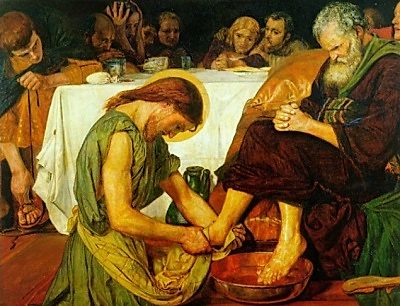
This is a translation of an apocryphal text, the Didache, or the 'two ways,' a set of ethical precepts attributed to the original apostles. In the introduction, Hoole presents evidence that it was derived from other apocryphal works, such as the Shepherd of Hermas, and the Epistle of Barnabas. However, modern scholars are certain that the Didache dates to the late first or early second century. It was considered canonical by some of the Church Fathers. It was eventually rejected from the canon, but is still considered part of the collection of Apostolic Fathers by the Catholic Church. The text was lost, but was rediscovered in 1873 in a Greek Codex written in 1075 and published along with other texts in 1883. As such it represents a window into a very early Christianity, including information on rituals such as baptism, and the itinerant ministry of the time.--J.B. Hare, Jan. 3, 2010.
Table of contents
6 chapters
Audiobook
Listen to this edition
Audiobooks are coming soon
Narrated editions will appear here when they are ready to listen.
Membership
Support the archive
$10 / month
Helps fund new texts & growth
Unlimited highlights & annotations
Unlimited bookmarks
Ad free reading experience
Early access to new features
Early access to quality TTS Audiobooks
Priority support & feature requests
4,000 Points monthly for Search usage
Access to point system rewards and value
Cancel anytime. Helps us pay the bills.
Discussion
Community conversation
Discussions are coming soon
Join conversations around this text and its interpretations.
The Didache
6 chapters English Public domain
About this book
This is a translation of an apocryphal text, the Didache, or the 'two ways,' a set of ethical precepts attributed to the original apostles. In the introduction, Hoole presents evidence that it was derived from other apocryphal works, such as the Shepherd of Hermas, and the Epistle of Barnabas. However, modern scholars are certain that the Didache dates to the late first or early second century. It was considered canonical by some of the Church Fathers. It was eventually rejected from the canon, but is still considered part of the collection of Apostolic Fathers by the Catholic Church. The text was lost, but was rediscovered in 1873 in a Greek Codex written in 1075 and published along with other texts in 1883. As such it represents a window into a very early Christianity, including information on rituals such as baptism, and the itinerant ministry of the time.--J.B. Hare, Jan. 3, 2010.
Table of contents
6 chapters
Audiobook
Listen to this edition
Audiobooks are coming soon
Narrated editions will appear here when they are ready to listen.
Membership
Support the archive
$10 / month
Helps fund new texts & growth
Unlimited highlights & annotations
Unlimited bookmarks
Ad free reading experience
Early access to new features
Early access to quality TTS Audiobooks
Priority support & feature requests
4,000 Points monthly for Search usage
Access to point system rewards and value
Cancel anytime. Helps us pay the bills.
Discussion
Community conversation
Discussions are coming soon
Join conversations around this text and its interpretations.
The Didache
6 chapters English Public domain
About this book
This is a translation of an apocryphal text, the Didache, or the 'two ways,' a set of ethical precepts attributed to the original apostles. In the introduction, Hoole presents evidence that it was derived from other apocryphal works, such as the Shepherd of Hermas, and the Epistle of Barnabas. However, modern scholars are certain that the Didache dates to the late first or early second century. It was considered canonical by some of the Church Fathers. It was eventually rejected from the canon, but is still considered part of the collection of Apostolic Fathers by the Catholic Church. The text was lost, but was rediscovered in 1873 in a Greek Codex written in 1075 and published along with other texts in 1883. As such it represents a window into a very early Christianity, including information on rituals such as baptism, and the itinerant ministry of the time.--J.B. Hare, Jan. 3, 2010.
Table of contents
6 chapters
Audiobook
Listen to this edition
Audiobooks are coming soon
Narrated editions will appear here when they are ready to listen.
Membership
Support the archive
$10 / month
Helps fund new texts & growth
Unlimited highlights & annotations
Unlimited bookmarks
Ad free reading experience
Early access to new features
Early access to quality TTS Audiobooks
Priority support & feature requests
4,000 Points monthly for Search usage
Access to point system rewards and value
Cancel anytime. Helps us pay the bills.
Discussion
Community conversation
Discussions are coming soon
Join conversations around this text and its interpretations.