

The Lost Continent
26 chapters English Public domain
About this book
This lively Victorian-era Atlantis story is one of the best of the genre, per Lin Carter, Sprague de Camp, and others. However, IMHO, naming the principal character Deucalion in an Atlantis story is sort of giving away the ending. Hyne's Atlantis is loosely based on Donnelly's conception, a continent in the middle of the Atlantic which disappears under the waves 'in a single day.' Hyne adds interest by setting the story in the last decadent years of Atlantis. The evil queen Phorenice is voracious and cruel, and Deucalion, ostensibly the upholder of duty and tradition, is morally ambiguous. The barbarians are literally at the gate. Dinosaurs, plesiosaurs, and mammoths are depicted as surviving in Atlantis. There is a tragic love triangle, evil sorcery, lots of swordplay, and a rousing naval battle. On one level, it's swashbuckling fun in the vein of Robert E. Howard's Conan. On another level, it's an attempt to explain a whole bunch of mythology by sourcing it from Atlantis, and creating some new myths in the process. This idea has obviously remained in the popular culture.
Charles John Cutcliffe Wright Hyne (b. 1866, d. 1944) was a British writer of serialized magazine fiction at the end of the 19th century. The Lost Continent was first published in the American Pearson's Magazine from July to December 1899. Pearson's was the first to publish the 'speculative fiction' of H.G. Wells and H. Rider Haggard in the US, and the Hyne Atlantis serial was a standout. Hyne went on to publish numerous other works, all in the adventure genre, but The Lost Continent was the high point of his career. The book version was published in 1900, and apparently sold well; this edition is still in demand by collectors. The novel was reprinted in a highly abridged form in the December 1944 issue of Famous Fantastic Mysteries. In 1972 it was finally reprinted unabridged in the Ballantine Books Adult Fantasy line, with an introduction by Lin Carter, and Cutcliffe unfortunately mispelled as Cutliffe on the cover and title page. This etext was scanned from a printing of the first, 1900 edition.
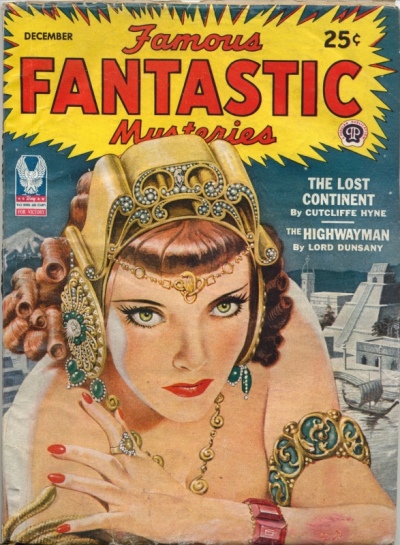
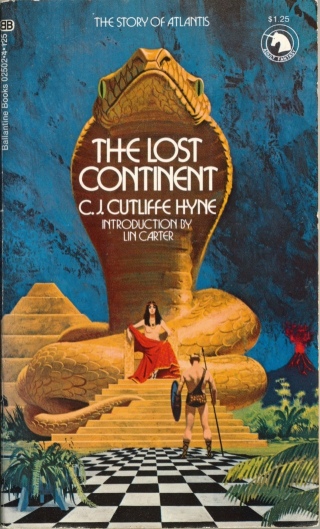
Table of contents
26 chapters
01 Start Reading 02 Page Index 03 Contents 04 Illustrations 05 Prefatory. The Legatees of Deucalion 06 Chapter I. My Recall 07 Chapter II. Back To Atlantis 08 Chapter III. A Rival Navy 09 Chapter IV. The Welcome of Phorenice 10 Chapter V. Zaemon's Curse 11 Chapter VI. The Biters of the City Walls 12 Chapter VII. The Biters of the Walls (Further Account) 13 Chapter VIII. The Preacher From the Mountains 14 Chapter IX. Phorenice, Goddess 15 Chapter X. A Wooing 16 Chapter XI. An Affair With the Barbarous Fishers 17 Chapter XII. The Drug of Our Lady the Moon 18 Chapter XIII. The Burying Alive of Naïs 19 Chapter XIV. Again the Gods Make Change 20 Chapter XV. Zaemon's Summons 21 Chapter XVI. Siege of the Sacred Mountain 22 Chapter XVII. Naïs The Regained 23 Chapter XVIII. Storm of the Sacred Mountain 24 Chapter XIX. Destruction of Atlantis 25 Chapter XX. On the Bosom of the Deep
Audiobook
Listen to this edition
Audiobooks are coming soon
Narrated editions will appear here when they are ready to listen.
Membership
Support the archive
$10 / month
Helps fund new texts & growth
Unlimited highlights & annotations
Unlimited bookmarks
Ad free reading experience
Early access to new features
Early access to quality TTS Audiobooks
Priority support & feature requests
4,000 Points monthly for Search usage
Access to point system rewards and value
Cancel anytime. Helps us pay the bills.
Discussion
Community conversation
Discussions are coming soon
Join conversations around this text and its interpretations.
The Lost Continent
26 chapters English Public domain
About this book
This lively Victorian-era Atlantis story is one of the best of the genre, per Lin Carter, Sprague de Camp, and others. However, IMHO, naming the principal character Deucalion in an Atlantis story is sort of giving away the ending. Hyne's Atlantis is loosely based on Donnelly's conception, a continent in the middle of the Atlantic which disappears under the waves 'in a single day.' Hyne adds interest by setting the story in the last decadent years of Atlantis. The evil queen Phorenice is voracious and cruel, and Deucalion, ostensibly the upholder of duty and tradition, is morally ambiguous. The barbarians are literally at the gate. Dinosaurs, plesiosaurs, and mammoths are depicted as surviving in Atlantis. There is a tragic love triangle, evil sorcery, lots of swordplay, and a rousing naval battle. On one level, it's swashbuckling fun in the vein of Robert E. Howard's Conan. On another level, it's an attempt to explain a whole bunch of mythology by sourcing it from Atlantis, and creating some new myths in the process. This idea has obviously remained in the popular culture.
Charles John Cutcliffe Wright Hyne (b. 1866, d. 1944) was a British writer of serialized magazine fiction at the end of the 19th century. The Lost Continent was first published in the American Pearson's Magazine from July to December 1899. Pearson's was the first to publish the 'speculative fiction' of H.G. Wells and H. Rider Haggard in the US, and the Hyne Atlantis serial was a standout. Hyne went on to publish numerous other works, all in the adventure genre, but The Lost Continent was the high point of his career. The book version was published in 1900, and apparently sold well; this edition is still in demand by collectors. The novel was reprinted in a highly abridged form in the December 1944 issue of Famous Fantastic Mysteries. In 1972 it was finally reprinted unabridged in the Ballantine Books Adult Fantasy line, with an introduction by Lin Carter, and Cutcliffe unfortunately mispelled as Cutliffe on the cover and title page. This etext was scanned from a printing of the first, 1900 edition.
Table of contents
26 chapters
01 Start Reading 02 Page Index 03 Contents 04 Illustrations 05 Prefatory. The Legatees of Deucalion 06 Chapter I. My Recall 07 Chapter II. Back To Atlantis 08 Chapter III. A Rival Navy 09 Chapter IV. The Welcome of Phorenice 10 Chapter V. Zaemon's Curse 11 Chapter VI. The Biters of the City Walls 12 Chapter VII. The Biters of the Walls (Further Account) 13 Chapter VIII. The Preacher From the Mountains 14 Chapter IX. Phorenice, Goddess 15 Chapter X. A Wooing 16 Chapter XI. An Affair With the Barbarous Fishers 17 Chapter XII. The Drug of Our Lady the Moon 18 Chapter XIII. The Burying Alive of Naïs 19 Chapter XIV. Again the Gods Make Change 20 Chapter XV. Zaemon's Summons 21 Chapter XVI. Siege of the Sacred Mountain 22 Chapter XVII. Naïs The Regained 23 Chapter XVIII. Storm of the Sacred Mountain 24 Chapter XIX. Destruction of Atlantis 25 Chapter XX. On the Bosom of the Deep
Audiobook
Listen to this edition
Audiobooks are coming soon
Narrated editions will appear here when they are ready to listen.
Membership
Support the archive
$10 / month
Helps fund new texts & growth
Unlimited highlights & annotations
Unlimited bookmarks
Ad free reading experience
Early access to new features
Early access to quality TTS Audiobooks
Priority support & feature requests
4,000 Points monthly for Search usage
Access to point system rewards and value
Cancel anytime. Helps us pay the bills.
Discussion
Community conversation
Discussions are coming soon
Join conversations around this text and its interpretations.
The Lost Continent
26 chapters English Public domain
About this book
This lively Victorian-era Atlantis story is one of the best of the genre, per Lin Carter, Sprague de Camp, and others. However, IMHO, naming the principal character Deucalion in an Atlantis story is sort of giving away the ending. Hyne's Atlantis is loosely based on Donnelly's conception, a continent in the middle of the Atlantic which disappears under the waves 'in a single day.' Hyne adds interest by setting the story in the last decadent years of Atlantis. The evil queen Phorenice is voracious and cruel, and Deucalion, ostensibly the upholder of duty and tradition, is morally ambiguous. The barbarians are literally at the gate. Dinosaurs, plesiosaurs, and mammoths are depicted as surviving in Atlantis. There is a tragic love triangle, evil sorcery, lots of swordplay, and a rousing naval battle. On one level, it's swashbuckling fun in the vein of Robert E. Howard's Conan. On another level, it's an attempt to explain a whole bunch of mythology by sourcing it from Atlantis, and creating some new myths in the process. This idea has obviously remained in the popular culture.
Charles John Cutcliffe Wright Hyne (b. 1866, d. 1944) was a British writer of serialized magazine fiction at the end of the 19th century. The Lost Continent was first published in the American Pearson's Magazine from July to December 1899. Pearson's was the first to publish the 'speculative fiction' of H.G. Wells and H. Rider Haggard in the US, and the Hyne Atlantis serial was a standout. Hyne went on to publish numerous other works, all in the adventure genre, but The Lost Continent was the high point of his career. The book version was published in 1900, and apparently sold well; this edition is still in demand by collectors. The novel was reprinted in a highly abridged form in the December 1944 issue of Famous Fantastic Mysteries. In 1972 it was finally reprinted unabridged in the Ballantine Books Adult Fantasy line, with an introduction by Lin Carter, and Cutcliffe unfortunately mispelled as Cutliffe on the cover and title page. This etext was scanned from a printing of the first, 1900 edition.
Table of contents
26 chapters
01 Start Reading 02 Page Index 03 Contents 04 Illustrations 05 Prefatory. The Legatees of Deucalion 06 Chapter I. My Recall 07 Chapter II. Back To Atlantis 08 Chapter III. A Rival Navy 09 Chapter IV. The Welcome of Phorenice 10 Chapter V. Zaemon's Curse 11 Chapter VI. The Biters of the City Walls 12 Chapter VII. The Biters of the Walls (Further Account) 13 Chapter VIII. The Preacher From the Mountains 14 Chapter IX. Phorenice, Goddess 15 Chapter X. A Wooing 16 Chapter XI. An Affair With the Barbarous Fishers 17 Chapter XII. The Drug of Our Lady the Moon 18 Chapter XIII. The Burying Alive of Naïs 19 Chapter XIV. Again the Gods Make Change 20 Chapter XV. Zaemon's Summons 21 Chapter XVI. Siege of the Sacred Mountain 22 Chapter XVII. Naïs The Regained 23 Chapter XVIII. Storm of the Sacred Mountain 24 Chapter XIX. Destruction of Atlantis 25 Chapter XX. On the Bosom of the Deep
Audiobook
Listen to this edition
Audiobooks are coming soon
Narrated editions will appear here when they are ready to listen.
Membership
Support the archive
$10 / month
Helps fund new texts & growth
Unlimited highlights & annotations
Unlimited bookmarks
Ad free reading experience
Early access to new features
Early access to quality TTS Audiobooks
Priority support & feature requests
4,000 Points monthly for Search usage
Access to point system rewards and value
Cancel anytime. Helps us pay the bills.
Discussion
Community conversation
Discussions are coming soon
Join conversations around this text and its interpretations.