

The Promised Key
20 chapters English Public domain
About this book
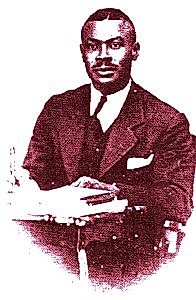
This is a proto-Rastafarian tract by Leonard Howell, a Jamaican preacher. Published around 1935, this is obviously an edited, much shorter, version of The Royal Parchment Scroll of Black Supremacy, without the stream-of-consciousness language, long opaque abbreviations, and repetition. Most significantly, the identities of 'King Alpha and Queen Omega' were transposed from Fitz Balintine Pettersburg and his wife as in the Royal Parchment Scroll, to Emperor Haile Selassie and Empress Menen Astaw. This was one of the key innovations of the Howellites, and is today an article of faith of Rastafarianism.
In 1933, Howell started to preach that the Emperor Haile Selassie of Ethiopia (Ras Tafari) was the Messiah, that Black people were the chosen people, and would soon be repatriated to Ethiopia. He soon attracted the attention of the colonial authorities, and was arrested in December 1934 for sedition. In March of 1934 he was sentenced to two years imprisonment, during which he apparently wrote The Promised Key. After he was released in 1936, he published a newspaper called "The People's Voice". In 1954 his commune was raided and much literature, including copies of this book, were burned. Howell was found dead under suspicious circumstances in February 1981.
Table of contents
20 chapters
01 Title Page 02 The Mystery Country 03 The False Religion 04 The Promised Key 05 Ethopia's Kingdom 06 The Healing 07 Balm Yard 08 Royal Notice 09 How to Fast 10 Department 11 Government 12 Eternal Law Office 13 Eve the Mother of Evil 14 The Rapers 15 Ethiopian Question 16 The First and the Last 17 Matrimonial Affidavit 18 Black People Black People Arise and Shine 19 Forward to the King of Kings 20 Special Pages: Errata
Audiobook
Listen to this edition
Audiobooks are coming soon
Narrated editions will appear here when they are ready to listen.
Membership
Support the archive
$10 / month
Helps fund new texts & growth
Unlimited highlights & annotations
Unlimited bookmarks
Ad free reading experience
Early access to new features
Early access to quality TTS Audiobooks
Priority support & feature requests
4,000 Points monthly for Search usage
Access to point system rewards and value
Cancel anytime. Helps us pay the bills.
Discussion
Community conversation
Discussions are coming soon
Join conversations around this text and its interpretations.
The Promised Key
20 chapters English Public domain
About this book
This is a proto-Rastafarian tract by Leonard Howell, a Jamaican preacher. Published around 1935, this is obviously an edited, much shorter, version of The Royal Parchment Scroll of Black Supremacy, without the stream-of-consciousness language, long opaque abbreviations, and repetition. Most significantly, the identities of 'King Alpha and Queen Omega' were transposed from Fitz Balintine Pettersburg and his wife as in the Royal Parchment Scroll, to Emperor Haile Selassie and Empress Menen Astaw. This was one of the key innovations of the Howellites, and is today an article of faith of Rastafarianism.
In 1933, Howell started to preach that the Emperor Haile Selassie of Ethiopia (Ras Tafari) was the Messiah, that Black people were the chosen people, and would soon be repatriated to Ethiopia. He soon attracted the attention of the colonial authorities, and was arrested in December 1934 for sedition. In March of 1934 he was sentenced to two years imprisonment, during which he apparently wrote The Promised Key. After he was released in 1936, he published a newspaper called "The People's Voice". In 1954 his commune was raided and much literature, including copies of this book, were burned. Howell was found dead under suspicious circumstances in February 1981.
Table of contents
20 chapters
01 Title Page 02 The Mystery Country 03 The False Religion 04 The Promised Key 05 Ethopia's Kingdom 06 The Healing 07 Balm Yard 08 Royal Notice 09 How to Fast 10 Department 11 Government 12 Eternal Law Office 13 Eve the Mother of Evil 14 The Rapers 15 Ethiopian Question 16 The First and the Last 17 Matrimonial Affidavit 18 Black People Black People Arise and Shine 19 Forward to the King of Kings 20 Special Pages: Errata
Audiobook
Listen to this edition
Audiobooks are coming soon
Narrated editions will appear here when they are ready to listen.
Membership
Support the archive
$10 / month
Helps fund new texts & growth
Unlimited highlights & annotations
Unlimited bookmarks
Ad free reading experience
Early access to new features
Early access to quality TTS Audiobooks
Priority support & feature requests
4,000 Points monthly for Search usage
Access to point system rewards and value
Cancel anytime. Helps us pay the bills.
Discussion
Community conversation
Discussions are coming soon
Join conversations around this text and its interpretations.
The Promised Key
20 chapters English Public domain
About this book
This is a proto-Rastafarian tract by Leonard Howell, a Jamaican preacher. Published around 1935, this is obviously an edited, much shorter, version of The Royal Parchment Scroll of Black Supremacy, without the stream-of-consciousness language, long opaque abbreviations, and repetition. Most significantly, the identities of 'King Alpha and Queen Omega' were transposed from Fitz Balintine Pettersburg and his wife as in the Royal Parchment Scroll, to Emperor Haile Selassie and Empress Menen Astaw. This was one of the key innovations of the Howellites, and is today an article of faith of Rastafarianism.
In 1933, Howell started to preach that the Emperor Haile Selassie of Ethiopia (Ras Tafari) was the Messiah, that Black people were the chosen people, and would soon be repatriated to Ethiopia. He soon attracted the attention of the colonial authorities, and was arrested in December 1934 for sedition. In March of 1934 he was sentenced to two years imprisonment, during which he apparently wrote The Promised Key. After he was released in 1936, he published a newspaper called "The People's Voice". In 1954 his commune was raided and much literature, including copies of this book, were burned. Howell was found dead under suspicious circumstances in February 1981.
Table of contents
20 chapters
01 Title Page 02 The Mystery Country 03 The False Religion 04 The Promised Key 05 Ethopia's Kingdom 06 The Healing 07 Balm Yard 08 Royal Notice 09 How to Fast 10 Department 11 Government 12 Eternal Law Office 13 Eve the Mother of Evil 14 The Rapers 15 Ethiopian Question 16 The First and the Last 17 Matrimonial Affidavit 18 Black People Black People Arise and Shine 19 Forward to the King of Kings 20 Special Pages: Errata
Audiobook
Listen to this edition
Audiobooks are coming soon
Narrated editions will appear here when they are ready to listen.
Membership
Support the archive
$10 / month
Helps fund new texts & growth
Unlimited highlights & annotations
Unlimited bookmarks
Ad free reading experience
Early access to new features
Early access to quality TTS Audiobooks
Priority support & feature requests
4,000 Points monthly for Search usage
Access to point system rewards and value
Cancel anytime. Helps us pay the bills.
Discussion
Community conversation
Discussions are coming soon
Join conversations around this text and its interpretations.